Conflict to Cooperation

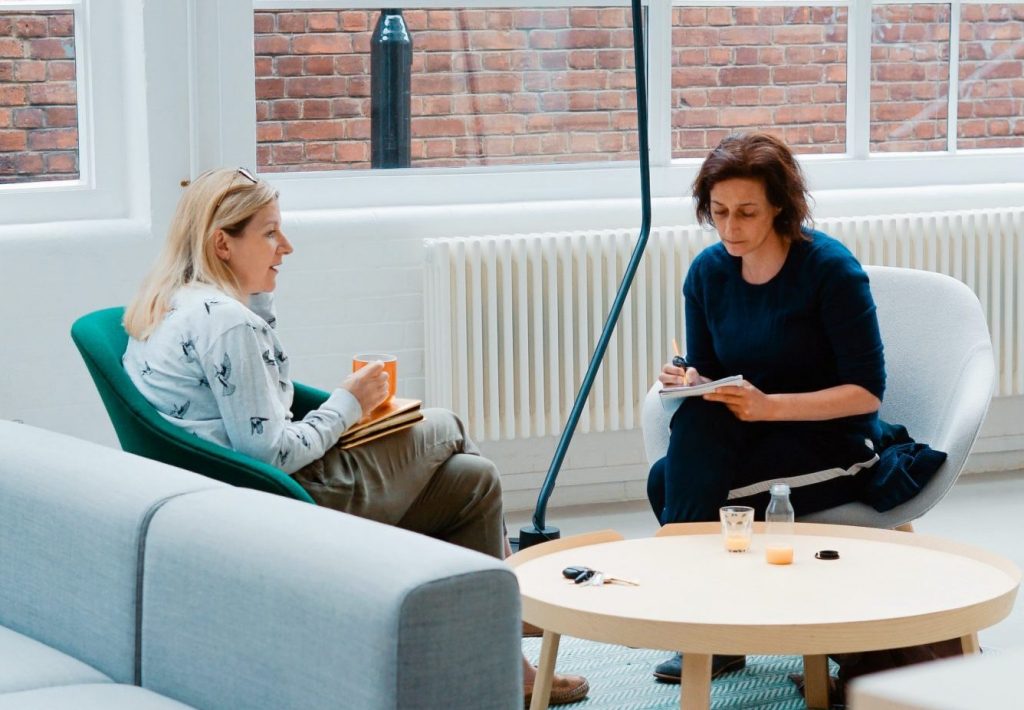
Two people seated at a small table resolving conflict.
Free Post-course Support
100% Quality
Guarantee
Interactive
Learning
eCertificate of Attendance

Conflict to Cooperation

$625 + GSTper person

In Person Virtual

Location: Level 1 Cloisters, 863 Hay Street, Perth WA 6000
Time: 8:30 am to 3:30 pm
Duration: 1 Day

Join in-person at our vibrant Perth CBD training centre. Lunch and refreshments are provided for all in-person attendees. Our training centre is centrally located and easily accessible by public transport.

Course Overview

Course Overview

This conflict resolution training teaches you to handle difficult conversations more effectively and confidently with practical tools and a solid framework so you can reach a more positive outcome. The right tools and conversation framework to handle difficult conversations can save a lot time, frustration and energy.  By identifying and catering to different communication styles, you will be trained on how to apply the right techniques for conflict prevention, conflict management and conflict resolution.

Dates

Book a course

Course Information

Course Content
This workshop helps participants to remain professional while handling difficult conversations in the workplace. Providing a practical and hands on approach, participants will apply a step by step framework for the best possible outcome. Sometimes the hardest part is starting a difficult conversation, and we have got that covered. The course covers handling fears, feedback, conflict styles – what to use when, and much more.

Introduction

  • Welcome
  • Objectives

The nature of conflict

  • Types and levels and opportunities of conflict
  • Early warning signs of workplace conflict
  • What makes conversations difficult to you?
  • What happens when we put off having a difficult conversation?
  • Four types of difficult conversations

Co-operation

  • Working with and adapting to communication and behaviour styles
  • Values, beliefs, perception, discerning information
  • Building rapport

Handling difficult conversations

  • STEP 1. Plan
    • Planning template
    • Identify the source of conflict – intent vs impact
    • Identify the type of difficult conversation: Behaviour, performance, authority, sensitive
    • Managing mindset
  • STEP 2. Start the conversation
    • Setting the scene with framing
    • Do’s and don’ts
    • Starting phrases
    • Providing feedback with a structure and examples
  • STEP 3. Perspective (the other person’s)
    • Types of questions
    • Listening – identifying language filters
  • STEP 4. Solution
    • Common goal
    • Problem solving (process and tools)
    • Diffusing tension
  • STEP 5. Progress forward: Agreed actions
    • Reaching agreement
    • Staying on track

When someone has a difficult conversation with you

  • Staying calm
  • Gaining clarity
  • Responding appropriately

Additional Toolkit: Building Co-operation (behaviours, tools and techniques)

  • Building and demonstrating trust
  • Building and demonstrating integrity
  • Straight talk and co-operative language
  • Challenging perception

By the end of the workshop, participants will be able to:

  • Understand the nature of conflict and take steps to create co-operation
  • Impact of conflict and benefits of dealing with difficult situation and conversations
  • Apply techniques to handle difficult conversations effectively
  • Give and receive feedback constructively
  • Identify and adapt to different communication styles
  • Demonstrate rapport-building behaviours

This course requires no previous training or experience.

“This course will make  big difference at work. The visual learning and team bonding was great! Very good moral throughout the whole day, learning off of each other and giving feedback!”Mackayla from Rio Tinto

“Trainer’s experience and stories were extremely engaging. Definitely felt confident to take the techniques to test out myself back in the workplace. This course would help me develop the ability to confront difficult conversations that I have been avoiding.”Alex from Roy Hill

“Beth is an awesome facilitator and helped me build confidence. Could see a clear difference by the end of the day.”Pai from Roy Hill

“Linda is a confident and relatable instructor. It is evident that they are a subject matter expert, and they responded to all questions raised by attendees in a helpful way. They encouraged constructive dialogue and guided conversations. This course helps me in understanding of how to recognise and manage conflict in the workplace.”Maria from Main Roads WA

“The best feature was learning about importance of issue vs. importance of relationship” – Robyn from DMIRS

“I am walking away more confident and able to see things from all directions” – Donna  from Kenwick School

“The best feature of this course was learning the precursors to conflict”Andre from Department of Health

“Filled with tips and methods to improve listening”Rachel from Hassell

“Was able to ask questions about actual scenarios and then we worked through them as a group”Lisa from WA Country Health Service

“Got the tools and techniques I need to succeed”Jemma from Child and Adolescent Community Health

“The best part of this course was the feedback model and communication skills” – Tanya from City of Stirling

“I enjoyed learning how to change your own approach to others and/or difficult situations”Rachel from Fortescue Metals Group

“The best feature was understanding conflict styles” – Paul from DMIRS

“Learnt the importance of selecting your words”Mark from Rio Tinto

FAQs

Are your courses available online or in person?